.svg)


How to Prepare for the Immigration Interview
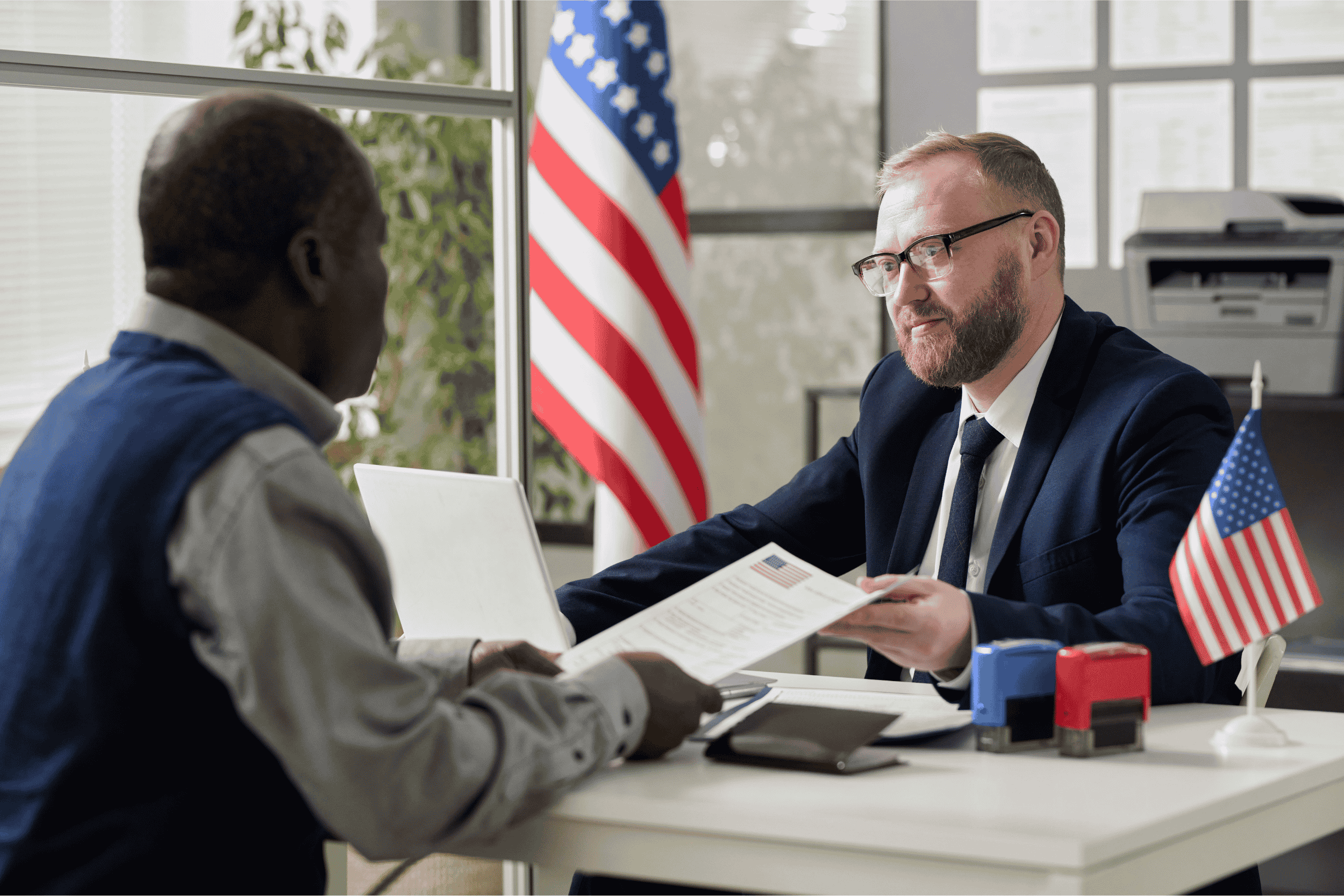
The interview is a decisive step in almost every American immigration process, whether for obtaining a visa, Green Card, or citizenship. In this meeting, the immigration officer checks if you meet all the requirements for the requested benefit. In other words, the interview allows the officer to “verify important information about the applicant to determine eligibility.”
During the interview, the officer will assess your eligibility and verify the truthfulness of the information provided. They will ask questions about your personal, professional, and family background to confirm the data declared in your forms and documents.
Careful preparation makes all the difference. Follow these practical tips before the big day:
Organize the necessary documents
Gather all documents required for your type of interview. This includes a valid passport, completed official forms (DS-260, DS-160, I-485, N-400, etc.), photos, birth, marriage or divorce certificates, proof of income, travel history, diplomas, employment records, pay stubs, and any supporting documents for your case. Keep everything organized in a folder to make presentation easier.
Review your application
Carefully read each question and answer from the forms you submitted. Make sure you memorize or fully understand what was declared. This avoids contradictions: the officer may have a copy of your form and will compare your personal answers with it. Reviewing also helps identify errors or missing details that can be corrected before the interview.
Practice your answers out loud
Think about the most common questions for your type of case, such as: reason for travel, family ties, occupation, academic background, details about your job or sponsoring company, length of relationship (in marriage cases), study plans, etc. Practice clear and objective answers so you don’t get lost at the moment. You can practice with family members or record yourself speaking to gain confidence.
Pay attention to communication and posture
On the day, dress professionally and conservatively (business attire, avoiding overly casual clothes). Arrive early at the interview location to avoid delays. During the interview, speak slowly and clearly, maintaining eye contact. Be polite and confident; adopt an upright and respectful posture.
Specific Tips by Category
Family-based processes
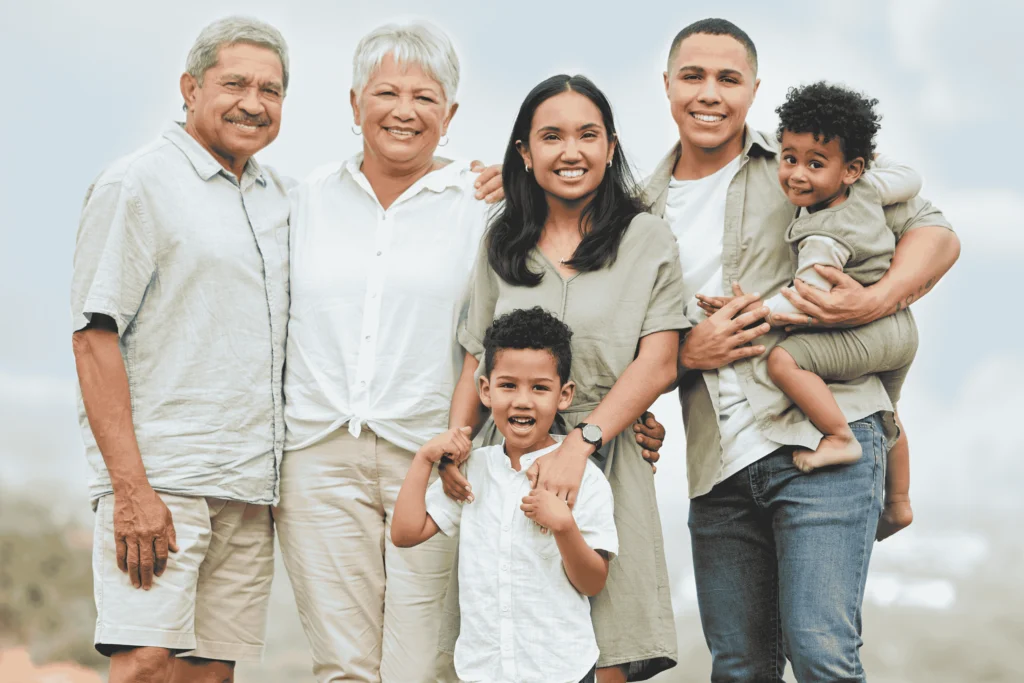
When the Green Card is through marriage or another relative, the officer will pay special attention to proof of a genuine relationship. Bring photos of the couple, messages, joint accounts, social media conversations, etc., that demonstrate a shared life. In family-based adjustment of status interviews, USCIS usually requires the petitioner (for example, the citizen spouse) to attend with you. If the interview is consular (Green Card abroad), the couple should also be prepared to answer questions about the relationship history, wedding date, and cohabitation.

Employment-based processes
For work visas or EB-1/EB-2, demonstrate that the job offer or professional project is legitimate. Bring employer letters, copies of publications, award or patent certificates, a detailed resume, and explanatory notes about your field. The officer will ask about your professional experience and qualifications for the position. In EB-1A (extraordinary ability), they may ask about the details of your awards and contributions. Answer by highlighting concrete facts: where you worked, which technologies you used, who your employer and colleagues are, and show certificates or diplomas that prove your credentials.
Naturalization interview
When applying for citizenship (Form N-400), prepare for two parts: questions about your record (criminal history, military service, taxes) and an English and civics test. The USCIS officer will ask about your form and background. In addition, you will take reading, writing, and U.S. history and government knowledge tests. Study the 100 official civics questions and practice reading/writing in English. Bring supporting documents such as birth, marriage, or divorce certificates, proof of residence, and contact information (yours and your family’s)—the officer may ask you to read something in English and write simple sentences. Demonstrate clarity when speaking English; speak slowly and ask for repetition if you do not understand a question.
Preparing and conducting a mock interview with your attorney will help reduce anxiety and increase your chances of success.
START YOUR JOURNEY NOW!
Make an appointment with us now!